




Grasshopper Myths #2: Is It Really Just for Futuristic Voronoi Geometry?
The blog breaks the Grasshopper tool myth by showing real-world use cases, from cost optimization and environmental analysis to error reduction, while highlighting how teams like Borg Markkula make it accessible without a steep learning curve.
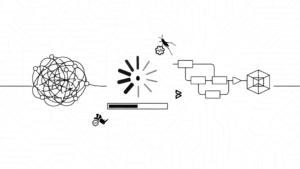
That “Spinning Wheel” Isn’t a Badge of Honor: How to Make Heavy Grasshopper Definitions Run Like a Pro
A practical breakdown of why Grasshopper definitions slow down and how to fix them with smarter data management and lighter geometry. Real optimization techniques with measurable results to help you build faster, cleaner, high-performance parametric workflows.
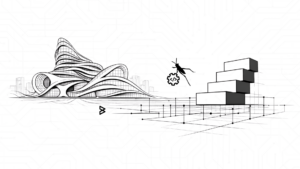
Stop Designing Melted Spaceships: The Truth About Grasshopper
Grasshopper isn’t a tool for designing melted, futuristic buildings; it’s a logic engine that helps automate everyday architectural tasks, from floor stacking to data management. Used right, it saves time, reduces errors, and improves performance on even the most standard, deadline-driven projects.
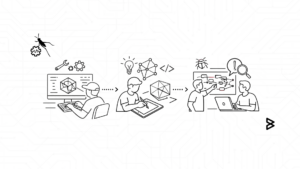
The 3 Stages of a Grasshopper User (And How People Actually Master It)
A practical breakdown of the three stages every Grasshopper user goes through, from tweaking existing definitions to building collaboration-ready, fabrication-safe workflows. Explains what real Grasshopper mastery looks like in practice, focusing on parametric thinking, clean logic, BIM and fabrication handoffs, and long-term maintainability.
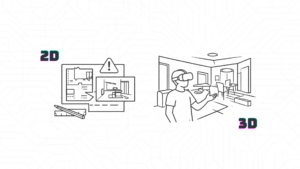
VR Fixes a Communication Problem Designers Have Ignored for Years
VR helps clients understand space and scale the way designers do by turning drawings into lived experience, shifting feedback from looks to real usability. It reduces misalignment early, exposes blind spots before construction, and makes spatial decisions clearer, cheaper, and more confident.
ChatGPT And Grasshopper: Practical AI Plugins Redefining Parametric Workflows
This blog explains how AI tools like Stable Diffusion, GHPT, and Raven are transforming Grasshopper by accelerating scripting, visualization, and component logic. It covers practical workflows, real limitations, and how AI is shifting parametric design toward faster iteration and better communication.